The FAA drone system has grown fast. In 2025, the agency counted more than one million registered drones in the United States. That number keeps climbing as compact models like the DJI Mini 5 Pro make flying easier. But every new pilot enters a web of rules. You cannot simply charge a battery and launch from your backyard. The rules split into two broad paths: recreational and commercial. Your first job is to know which path applies to your flight. The FAA updates guidance each year. Canada has a separate set of rules through Transport Canada. For U.S. pilots, the core framework stays stable in 2026.
Part 107 is the main commercial rule. It covers real estate photography, mapping, inspections, and any flight that promotes a business. More than 380,000 remote pilot certificates have been issued under Part 107. That shows how many people earn money with drones. Recreational flyers use a lighter set of rules. The free TRUST test replaced older registration quizzes. Remote ID acts like a digital license plate. You need all three pieces before most outdoor flights.
You also need to think about the hardware. Some drones ship ready for Remote ID. Others need a separate module. Beginners should start with best drones for beginners before buying heavier commercial rigs. The FAA has a dedicated online portal called DroneZone. Registration costs five dollars per drone and lasts three years. If you plan to fly near Canada, review the drone laws in Canada because rules differ across the border.
| Requirement | Recreational Flyers | Part 107 Pilots |
|---|---|---|
| Registration | Required over 0.55 pounds | Required for all commercial drones |
| Knowledge test | Free TRUST test | 60-question Part 107 exam |
| Remote ID | Required unless under 0.55 lbs | Required for all registered drones |
| Flight over people | Generally restricted | Allowed only under category or waiver |
| Night flight | Allowed with anti-collision lights | Allowed with anti-collision lights |
| Certificate | No pilot certificate | Remote Pilot Certificate required |
What Are the Core FAA Drone Rules for 2026?
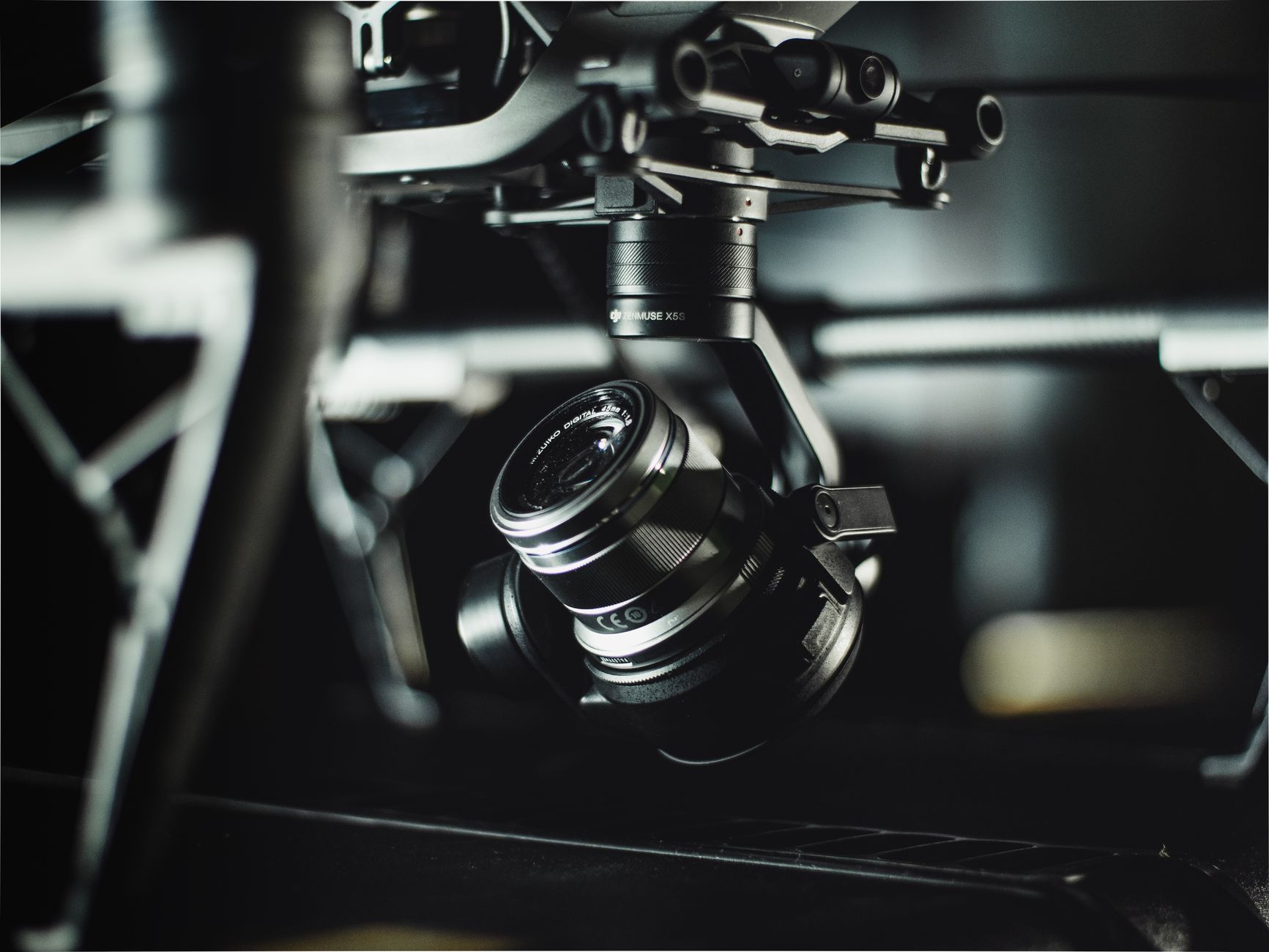
The FAA treats most drones under 55 pounds as small unmanned aircraft systems. Any drone heavier than 0.55 pounds must be registered before outdoor flight. Registration is valid for three years and costs five dollars per aircraft. You can complete it through the FAA DroneZone. One person may register several drones under one account. The registration number must be visible on the outside of the drone or in a battery compartment.
Visual line of sight is the default rule. You must see the drone with your own eyes without binoculars unless you have a waiver. Flying directly over people or moving vehicles has restrictions. Night operations are allowed if the drone has anti-collision lighting visible for three statute miles. Airspace permission comes through FAA LAANC or DroneZone. Many consumer drones from best drones for aerial photography include built-in lighting and geofencing.
Remote ID is now a standard requirement for nearly all registered drones. It broadcasts identification and location information. Think of it as a digital license plate. If your drone does not have built-in Remote ID, you may attach a broadcast module. The only exceptions are for drones under 0.55 pounds flown for recreation. Even those lose the exception if they fly under Part 107.
- Register before first outdoor flight.
- Keep the drone within visual line of sight.
- Do not fly over groups of people without a waiver.
- Check airspace authorization before flying near airports.
Who Needs a Part 107 Certificate and How Do You Get It?
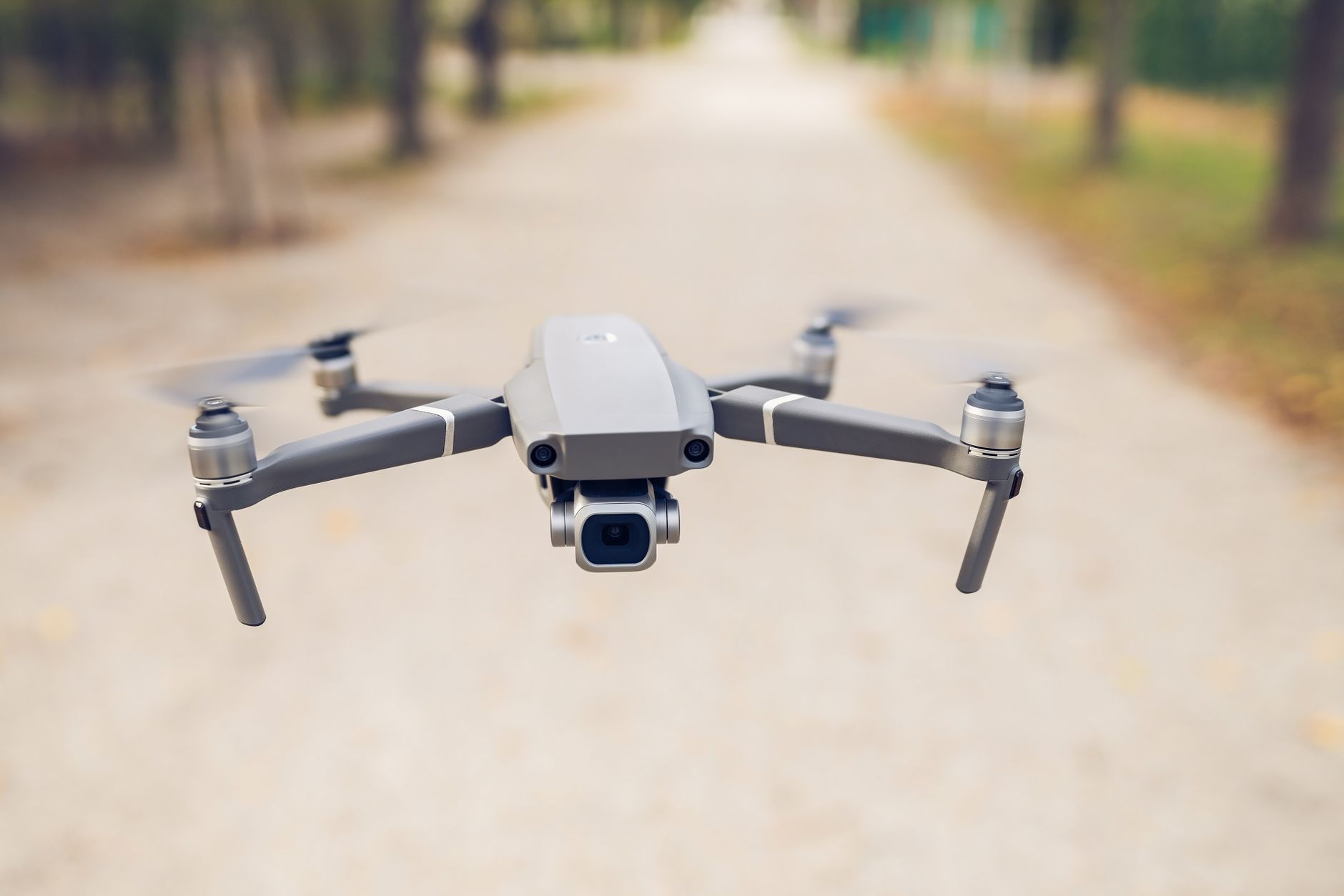
Any flight that supports a business or non-recreational purpose falls under Part 107. That includes selling photos, roof inspections, real estate listing videos, and search and rescue. The rule also covers volunteer work for a nonprofit in some cases. You do not need a certificate for purely personal flights. However, making money from YouTube drone footage can trigger Part 107. The FAA interprets commercial intent broadly.
To get the certificate, you must pass the FAA Unmanned Aircraft General knowledge test. The exam has 60 questions and requires a 70 percent score. You must be at least 16 years old and pass a background check by the TSA. Once you pass, you submit an application through IACRA. Your Remote Pilot Certificate lasts two years. You renew by completing free online recurrent training. A detailed guide is available at how to get a drone license.
Commercial pilots also need to follow operating rules. You cannot fly over 100 mph or above 400 feet above ground level unless you are near a structure and stay within 400 feet of it. You cannot carry hazardous materials. You must yield to manned aircraft at all times. Many commercial operators choose drones like the ones in best drones for real estate for their reliability and image quality.
- Study sectional charts, weather, and FAA regulations.
- Schedule the 60-question aeronautical knowledge test.
- Pass the TSA background check.
- Complete recurrent training every two years.
What Are the Recreational Drone Rules and TRUST Requirements?
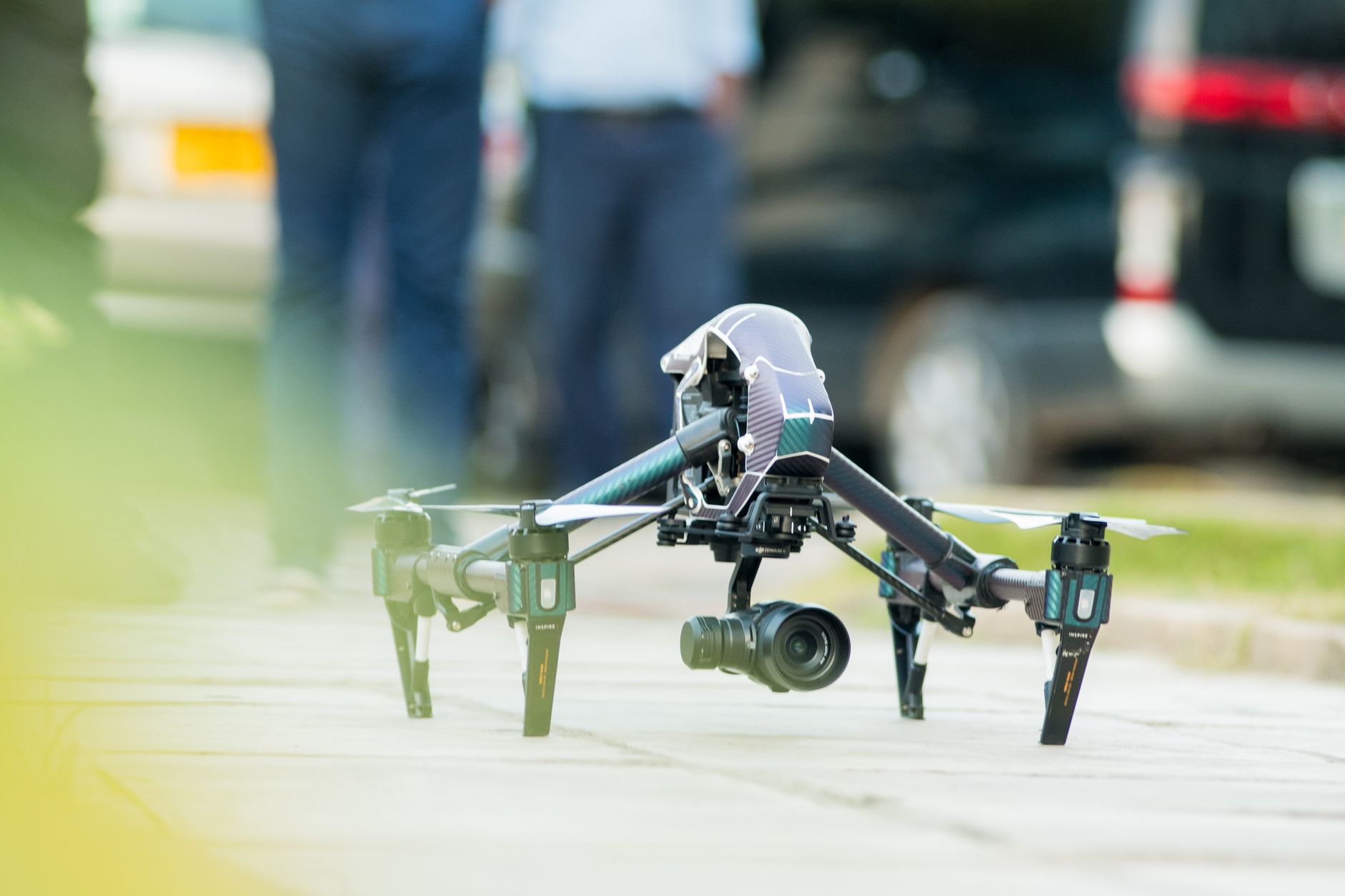
Recreational flyers follow the Exception for Limited Recreational Operations. You must fly only for fun and never accept compensation. The free TRUST test is required before your first recreational flight. TRUST stands for The Recreational UAS Safety Test. It is offered by FAA-approved providers online. You cannot fail TRUST. You review the material and answer questions until you pass. Keep the completion certificate on your phone.
You must carry proof of TRUST completion when you fly. You also need to fly a registered drone unless it weighs under 0.55 pounds. The 400-foot altitude limit still applies in uncontrolled airspace. Many recreational pilots use the best drones under 200 category for affordable backyard flying. Always check the B4UFLY app before launch. It shows controlled airspace and temporary flight restrictions.
Recreational flying over people is limited. The FAA generally prohibits flying over open-air assemblies unless your drone meets category weight and Remote ID rules. Night flying is allowed with anti-collision lights. The FAA TRUST portal lists approved test providers. Canada has a similar but stricter system through Transport Canada. Check the Transport Canada drone safety page before crossing the border.
- Complete the free TRUST test online.
- Fly only for personal enjoyment.
- Stay below 400 feet in uncontrolled airspace.
- Use the B4UFLY app before every flight.
- Keep your TRUST certificate accessible.
How Does Remote ID Work for U.S. Drone Pilots?
Remote ID is a broadcast system that identifies your drone while in flight. Think of it as a digital license plate. The drone sends a signal with its serial number, location, altitude, velocity, and the control station location. Law enforcement and the FAA can receive this signal with approved equipment. Remote ID does not require an internet connection. Most broadcasts use Wi-Fi or Bluetooth frequencies. The rule applies to all drones required to register, including recreational aircraft over 0.55 pounds.
There are three compliance paths. A drone with built-in Remote ID is the easiest. The DJI Mavic 3 and many newer models include it. If your drone lacks built-in capability, you can attach a broadcast module. The final path is flying at an FAA-recognized identification area, or FRIA. At a FRIA, no Remote ID is needed. However, these areas are rare and not available everywhere. Most pilots simply buy a newer drone with built-in Remote ID.
The Remote ID rule became enforceable in March 2024. In 2026, enforcement is routine. Failure to comply can lead to civil penalties. The FAA can suspend or revoke pilot certificates. If you are unsure whether your drone broadcasts Remote ID, check the manufacturer spec sheet. If you need a separate module, check manufacturer lists for FAA-approved broadcast modules.
- Check if your drone has built-in Remote ID.
- Attach an FAA-approved broadcast module if needed.
- Fly at a FRIA only if you have access to one.
- Keep the drone serial number in your registration account.
What Are the Penalties for Non-Compliance in 2026?
The FAA has broad enforcement power. Civil penalties for UAS violations can reach $32,666 per incident. That number is adjusted for inflation each year. Criminal penalties are possible for severe cases, including flying near airports or interfering with firefighting. Courts can impose fines up to $250,000 and prison time. Most casual pilots face warning letters or small fines for first mistakes. Repeated or reckless violations bring heavier enforcement.
Penalties depend on the rule broken. Flying in restricted airspace may result in a larger fine than failing to carry a TRUST certificate. Flying without registration can trigger a fine and confiscation of the drone. Local law enforcement can report incidents to the FAA. Some states also have their own privacy and trespass laws. You should treat every flight as a legal event. Keep your registration, TRUST certificate, and Part 107 certificate in one place.
If you are a commercial pilot, enforcement can affect your certificate. The FAA may suspend or revoke it. You may also lose insurance coverage. Many clients ask for proof of Part 107 certification before hiring a drone operator. The safest approach is to fly standardized missions. Use checklists and preflight apps. A commercial operator who follows rules avoids fines and builds a better business.
- First-time mistakes may draw a warning.
- Repeat violations can lead to larger fines.
- Flying near an airport without approval is serious.
- State and local rules may add penalties.
Frequently Asked Questions
Do I need to register my drone with the FAA?
Yes, any drone that weighs more than 0.55 pounds must be registered before outdoor flight. Registration costs five dollars and lasts three years.
Is the TRUST test required for recreational flying?
Yes, all recreational flyers must complete the free TRUST test before their first flight. You cannot fail it, and you should carry proof of completion.
Can I fly my drone at night in 2026?
Yes, both recreational and Part 107 flights can operate at night if the drone has anti-collision lighting visible for three statute miles. You must maintain visual line of sight.
What is Remote ID and do I need it?
Remote ID is a digital license plate that broadcasts drone identification, location, and control station data. Nearly all registered drones need it, either built in or via a module.
How do I get a Part 107 certificate?
You must be at least 16, pass a 60-question aeronautical knowledge test, and complete a TSA background check. The certificate lasts two years and renews online.
What happens if I fly without following FAA rules?
The FAA can issue civil penalties up to about $32,666 per violation. Serious cases may involve criminal fines or certificate suspension.
What Should You Remember?
- Register your drone if it weighs more than 0.55 pounds.
- Complete the free TRUST test before recreational flights.
- Pass the Part 107 exam before commercial work.
- Verify Remote ID compliance before every outdoor flight.
- Check airspace using B4UFLY or FAA DroneZone.
- Keep registration, certificate, and TRUST proof accessible.
- Review state and local rules before flying in a new area.
This article is for general information only. Drone regulations vary by region and change frequently — always verify current local laws and airspace rules before flying.