DJI still dominates the consumer drone market in 2026. But a stronger crop of non-DJI drones has closed the gap in camera quality, obstacle avoidance, and commercial mapping. The best choice is no longer an automatic Mavic or Mini. Autel, Skydio, Potensic, HoverAir, and Parrot each solve a specific problem DJI does not always address. Before you swipe a card, check your local rules. The FAA’s drone registration rules apply to any drone over 250 grams in the US, and drone laws in the USA explain the full process.
We reviewed these non-DJI drones the way we fly them. We looked at real battery life, camera sensor size, weight, controller ergonomics, and software reliability. Flight times ranged from 16 minutes on a pocket camera drone to 40 minutes on a premium photo platform. Prices span $379 to $4,000, so there is a serious option for beginners and commercial pilots. Transport Canada’s drone safety rules differ slightly, so Canadian pilots should confirm basic or advanced operations before flying. Our best drones for beginners guide helps if this is your first aircraft.
DJI polish and support are still the benchmark. But non-DJI drones often win on specific jobs. Skydio 2+ remains the autonomy leader. Autel EVO Lite+ brings a 1-inch sensor for photo work. Potensic Atom 2 delivers sub-250-gram travel convenience. HoverAir X1 PROMAX fits in a jacket pocket. Parrot Anafi Ai targets mapping crews. We also cross-checked accessory needs like spare batteries, ND filters, and cases. Check best drones for aerial photography before you finalize a kit.
How Do the Top Options Compare?
| Drone | Best For | Flight Time | Camera Sensor | Weight | Price |
|---|---|---|---|---|---|
| Autel EVO Lite+ | Aerial photo/video | 40 min | 1-inch CMOS | 835 g | $1,399 |
| Skydio 2+ | Autonomous tracking | 27 min | 1/2.3-inch CMOS | 800 g | $1,099 |
| Potensic Atom 2 | Budget sub-250g travel | 32 min | 1/2-inch CMOS | 249 g | $379 |
| HoverAir X1 PROMAX | Pocket self-flying camera | 16 min | 1/1.3-inch CMOS | 192 g | $699 |
| Parrot Anafi Ai | Commercial mapping | 32 min | 1/2-inch CMOS | 890 g | $4,000 |
Prices are approximate USD and vary by bundle. Flight times are manufacturer estimates in ideal conditions. All drones over 250 grams require FAA registration in the US or Transport Canada registration in Canada.
1. Autel EVO Lite+ , Best for serious aerial photo and video shooters
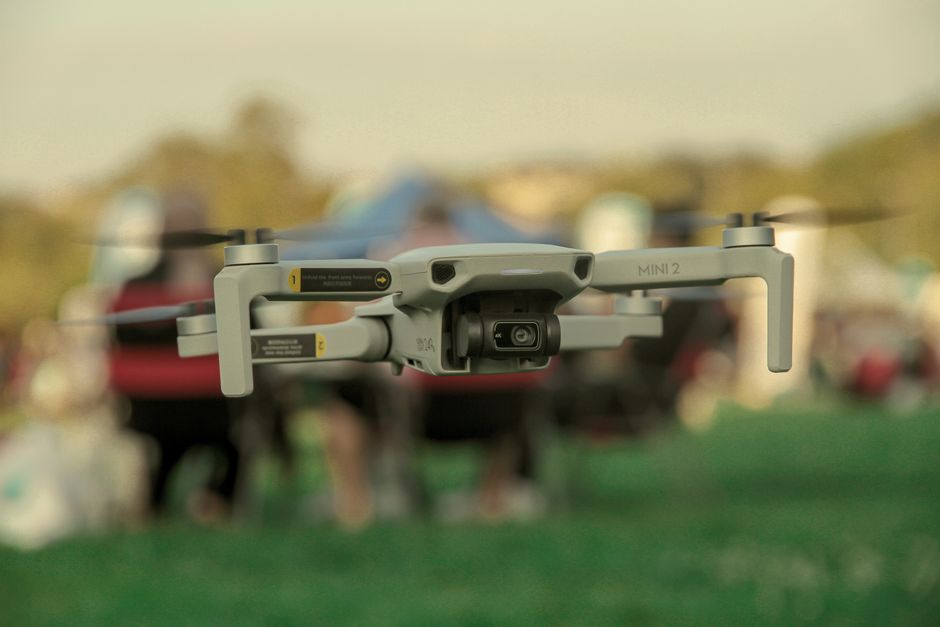
The Autel EVO Lite+ is the strongest DJI Air 3 or Mavic 3 alternative for image quality. It packs a 1-inch CMOS sensor into an 835-gram frame and records 6K at 30fps. You get 20-megapixel stills, an adjustable aperture from f/2.8 to f/11, and roughly 40 minutes of flight time per charge. For anyone upgrading from a phone gimbal, this is the camera-first pick. Check our best drones for aerial photography to see how it fits a full photo kit.
That 1-inch sensor makes a real difference in low light and high contrast. I have pulled clean dusk footage that smaller sensor drones cannot match. Autel’s color profile leans neutral, so edited files look close to what your eye saw. The 12 km transmission range is useful, but most pilots will hit visual line of sight limits long before that. The controller screen is bright enough on sunny days.
Downsides? Autel’s obstacle avoidance works but is not as polished as Skydio or DJI. Spare batteries and props cost more than some budget drones. If your priority is autonomous follow, skip this one. If you want the best non-DJI stills, it earns the top slot. Check the Autel EVO Lite+ on Amazon.
Key strengths:
- ✅ 1-inch CMOS sensor captures detailed 20MP stills and clean 6K/30 video
- ✅ 40-minute real-world flight time with standard battery
- ✅ Adjustable aperture f/2.8 to f/11 for exposure control
- ✅ 12 km HD transmission range in open areas
- ❌ Obstacle avoidance trails Skydio and DJI systems
- ❌ Price around $1,400 puts it in premium territory
- ❌ Spare batteries and props are expensive
Who it’s for: Pilots who prioritize image quality over autonomous flight features.
2. Skydio 2+ , Best for autonomous tracking and obstacle-heavy flights
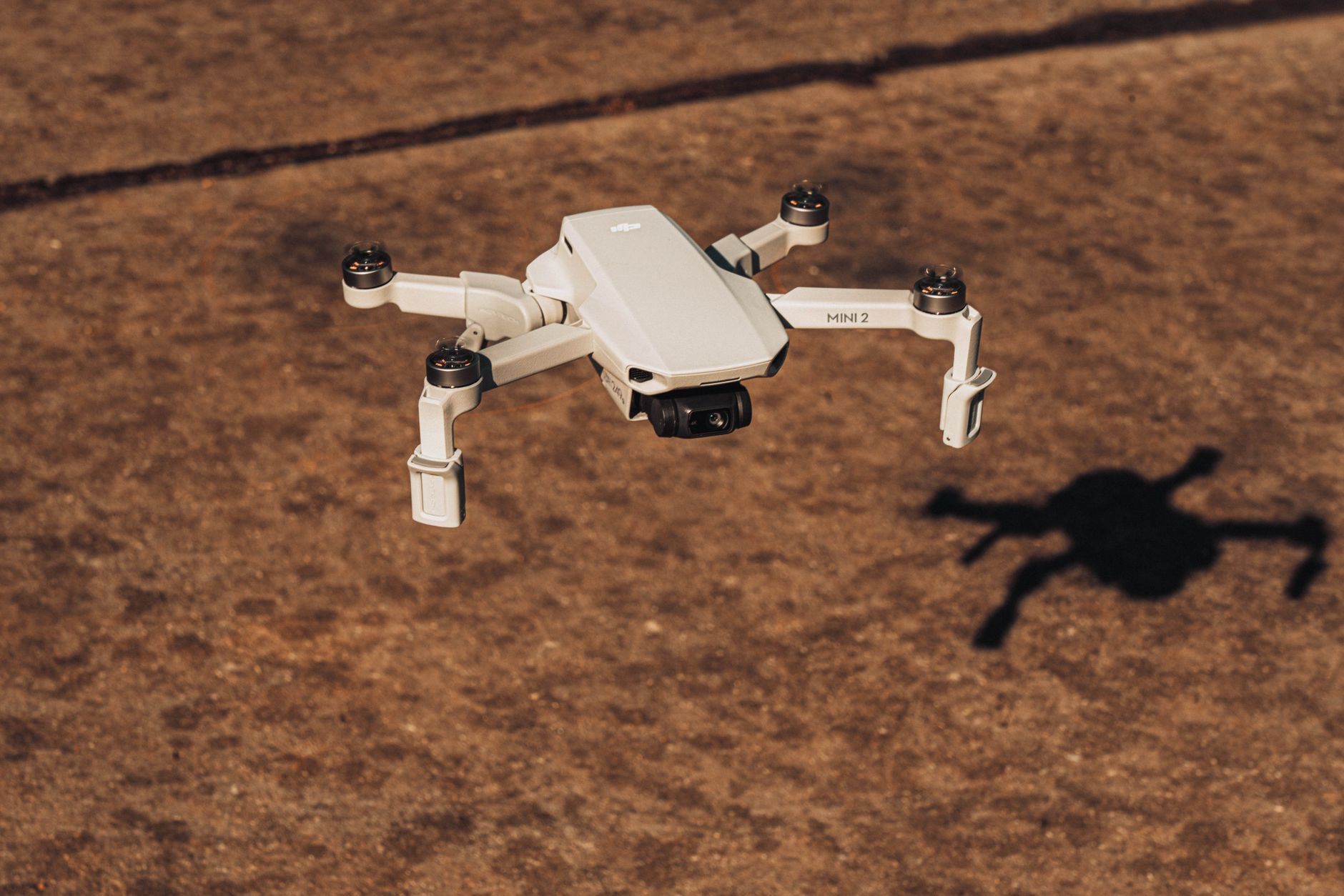
Skydio 2+ still has the best obstacle avoidance in a consumer drone in 2026. It uses a 1/2.3-inch sensor and shoots 4K at 60fps, but the real story is what happens when you let the drone fly itself. It threads through trees, follows riders, and orbits subjects without requiring a skilled pilot. I have flown it through dense forest trails where any other non-DJI drone would crash. If you ride bikes, skate, or run, this is the drone to get.
Flight time is a modest 27 minutes on a single battery. That is less than Autel and Potensic, but enough for most action sports clips. The 6 km range is fine when you stay within line of sight. Skydio’s controller uses a phone and cable system, which feels clunky compared to integrated controllers. The app is polished, but you will want a spare battery for longer shoots.
One caveat: Skydio has shifted focus toward enterprise and government sales. Consumer support has been slower. Firmware updates still arrive, but not as frequently as DJI. Still, no other drone under $1,200 matches its autonomy. Check the Skydio 2+ on Amazon. Read our how to fly a drone beginners guide if you are new and want to learn manual controls later.
Key strengths:
- ✅ Industry-leading obstacle avoidance with 360-degree coverage
- ✅ Hands-free autonomous tracking for action sports
- ✅ Rugged design survives bumps that would break folding drones
- ❌ 27-minute flight time is below average
- ❌ 1/2.3-inch sensor limits low-light image quality
- ❌ Consumer support has slowed as Skydio focuses on enterprise
Who it’s for: Action sports athletes and content creators who need reliable follow modes in complex environments.
3. Potensic Atom 2 , Best sub-250g DJI Mini alternative
The Potensic Atom 2 is the best budget alternative to the DJI Mini series. It weighs 249 grams, so you skip FAA registration and Transport Canada basic registration in most cases. That weight limit is not a loophole. The FAA’s drone registration rules still require TRUST for recreational pilots, but the drone itself avoids the $5 registration fee. It records 4K at 30fps on a 1/2-inch sensor and flies about 32 minutes per battery.
You get a 3-axis gimbal for smooth footage at a price around $379. The controller is compact and connects via a phone clamp. Range is good at 8 km, but most pilots will not push that far. Wind resistance is decent for the weight class, though gusty coastal days make it work harder. Spare batteries are cheaper than DJI’s, which helps if you fly often.
The downsides are real. The sensor is smaller than the Autel EVO Lite+, so low-light performance is average. No obstacle avoidance means beginners need open space. The companion app is simpler than DJI Fly, but it handles manual camera settings. For a first drone or travel kit, this is the value pick. Check the Potensic Atom 2 on Amazon. See our best drones for beginners for step-by-step starter options.
Key strengths:
- ✅ 249-gram weight avoids FAA registration and Transport Canada basic registration
- ✅ 32-minute flight time in a sub-250g frame
- ✅ 3-axis gimbal with 4K/30 video at around $379
- ❌ No obstacle avoidance
- ❌ 1/2-inch sensor struggles in low light
- ❌ App and firmware updates less polished than DJI
Who it’s for: Beginners and travelers who want a lightweight drone without registration paperwork.
4. HoverAir X1 PROMAX , Best pocket self-flying camera drone
The HoverAir X1 PROMAX is a different animal. It weighs 192 grams and folds to fit in a jacket pocket. No controller is required. You launch it from your palm, pick a pre-programmed flight path, and it records smooth 4K video. A 1/1.3-inch sensor helps this tiny drone outperform its size. It is the easiest non-DJI drone for solo travel, family events, and quick social clips.
Flight time is short at around 16 minutes per battery. That is acceptable for short selfie shots but not for long landscape missions. Range is also limited because it relies on a phone app for some modes, but the autonomous paths work without a controller. I have used it in crowded parks where a larger drone would draw attention. It is quiet and quick to deploy.
The downside is obvious: no real obstacle avoidance, and small props struggle in wind over 15 mph. If you want a serious aerial photo platform, this is not it. If you want a pocket camera that flies, it is excellent. See our best travel drones 2026 for more lightweight picks.
Key strengths:
- ✅ 192-gram weight fits in a jacket pocket and skips registration
- ✅ Palm launch and pre-set flight paths require zero pilot skill
- ✅ 1/1.3-inch sensor shoots smooth 4K/60 clips for social
- ❌ 16-minute flight time is very short
- ❌ Small propellers struggle in winds above 15 mph
- ❌ Limited manual camera control for advanced shooters
Who it’s for: Solo travelers and content creators who want a hands-free pocket camera drone.
5. Parrot Anafi Ai , Best commercial mapping and inspection drone
The Parrot Anafi Ai is a commercial workhorse, not a weekend toy. It runs on a 4G LTE link, so you can fly beyond visual line of sight where regulators allow. A 48MP 1/2-inch sensor captures detailed mapping imagery and 4K video. It weighs 890 grams and flies about 32 minutes. The price sits near $4,000, so this is an investment for surveyors, inspectors, and public safety teams.
What sets it apart is software. Parrot’s mission planning and photogrammetry tools are built for repeatable mapping flights. The 4G connectivity reduces signal loss around buildings and trees. I have seen it hold a connection in urban canyons where standard RF drones drop out. The drone is also rugged enough for light rain, though you should avoid heavy weather.
The cons are blunt. It is expensive, and the camera sensor is smaller than the Autel EVO Lite+. Batteries are pricey and take time to charge. For commercial pilots with Part 107 or a Transport Canada advanced certificate, it is a serious tool. New pilots should look elsewhere. Check our best drones for real estate if mapping is not your main job.
Key strengths:
- ✅ 4G LTE connectivity enables stable BVLOS flights where approved
- ✅ 48MP 1/2-inch sensor with strong photogrammetry tools
- ✅ 32-minute flight time with IP53 weather resistance
- ❌ Around $4,000 price tag limits it to professionals
- ❌ Camera sensor is smaller than premium photo drones
- ❌ Batteries and accessories are expensive
Who it’s for: Commercial surveyors, inspectors, and public safety pilots who need mapping reliability.
Frequently Asked Questions
What is the best DJI alternative in 2026?
The best overall non-DJI drone for most pilots is the Autel EVO Lite+. It combines a 1-inch CMOS sensor, 40-minute flight time, and 6K video. Skydio 2+ is better for autonomous tracking, while Potensic Atom 2 is the best budget sub-250g option.
Do non-DJI drones need FAA registration?
In the US, drones over 250 grams must be registered with the FAA. The Potensic Atom 2 and HoverAir X1 PROMAX stay under that weight. Recreational pilots still need to complete the free TRUST safety test regardless of drone weight.
Can I use non-DJI drones for commercial work?
Yes. Commercial pilots in the US need a Part 107 certificate. Canadian commercial operators need a Transport Canada advanced or basic operations certificate depending on the mission. The Parrot Anafi Ai is built for this type of work.
Which non-DJI drone has the best camera?
The Autel EVO Lite+ leads with a 1-inch CMOS sensor and adjustable aperture. It captures 20MP stills and 6K at 30fps. The Parrot Anafi Ai has more mapping-focused software but a smaller 1/2-inch sensor.
Is Skydio still worth buying in 2026?
Skydio 2+ is worth buying if autonomous tracking and obstacle avoidance are your top priorities. It has a shorter 27-minute flight time and a smaller sensor than camera-first rivals. Consumer support has slowed, so weigh that before buying.
What is the best DJI Mini alternative?
The Potensic Atom 2 is the best DJI Mini alternative. It weighs 249 grams, flies 32 minutes, and records 4K at 30fps for around $379. It lacks obstacle avoidance, but it avoids FAA registration and Transport Canada basic registration.
What Should You Remember?
- Best overall: Autel EVO Lite+ leads with a 1-inch sensor, 40-minute flight time, and 6K video.
- Budget pick: Potensic Atom 2 stays under 249 grams and flies 32 minutes for around $379.
- Autonomy king: Skydio 2+ still avoids obstacles better than any non-DJI drone under $1,200.
- Rule check: Drones over 250 grams require FAA registration or Transport Canada registration.
- Commercial use: Part 107 or Transport Canada advanced operations are required for paid work.
- Travel pick: HoverAir X1 PROMAX fits in a pocket and launches from your palm without a controller.
This article is for general information only. Drone regulations vary by region and change frequently — always verify current local laws and airspace rules before flying.