Most pilots spend weeks comparing drone specs, then buy the cheapest accessory bundle on Amazon. That is backwards. Cases, batteries, and filters determine how often you fly and what your footage looks like. A good accessory setup keeps your drone safe, cuts downtime, and makes your files usable straight from the card. I have flown more than 20 consumer drones since 2019, and the same pattern repeats. Beginners with best drones for beginners often lose interest because charging takes too long or their footage looks jittery. The right accessories fix both problems.
US pilots also need to match accessories with the FAA’s current rules. Any drone that weighs over 250 grams must be registered, and Remote ID is required for most recreational flights in controlled airspace. Transport Canada has a similar weight threshold for basic operations. Check the FAA’s drone registration rules before you buy a larger battery or extended landing gear. A heavier drone is not a problem by itself, but it changes the legal category. Read our drone laws in the USA guide for a plain-language breakdown.
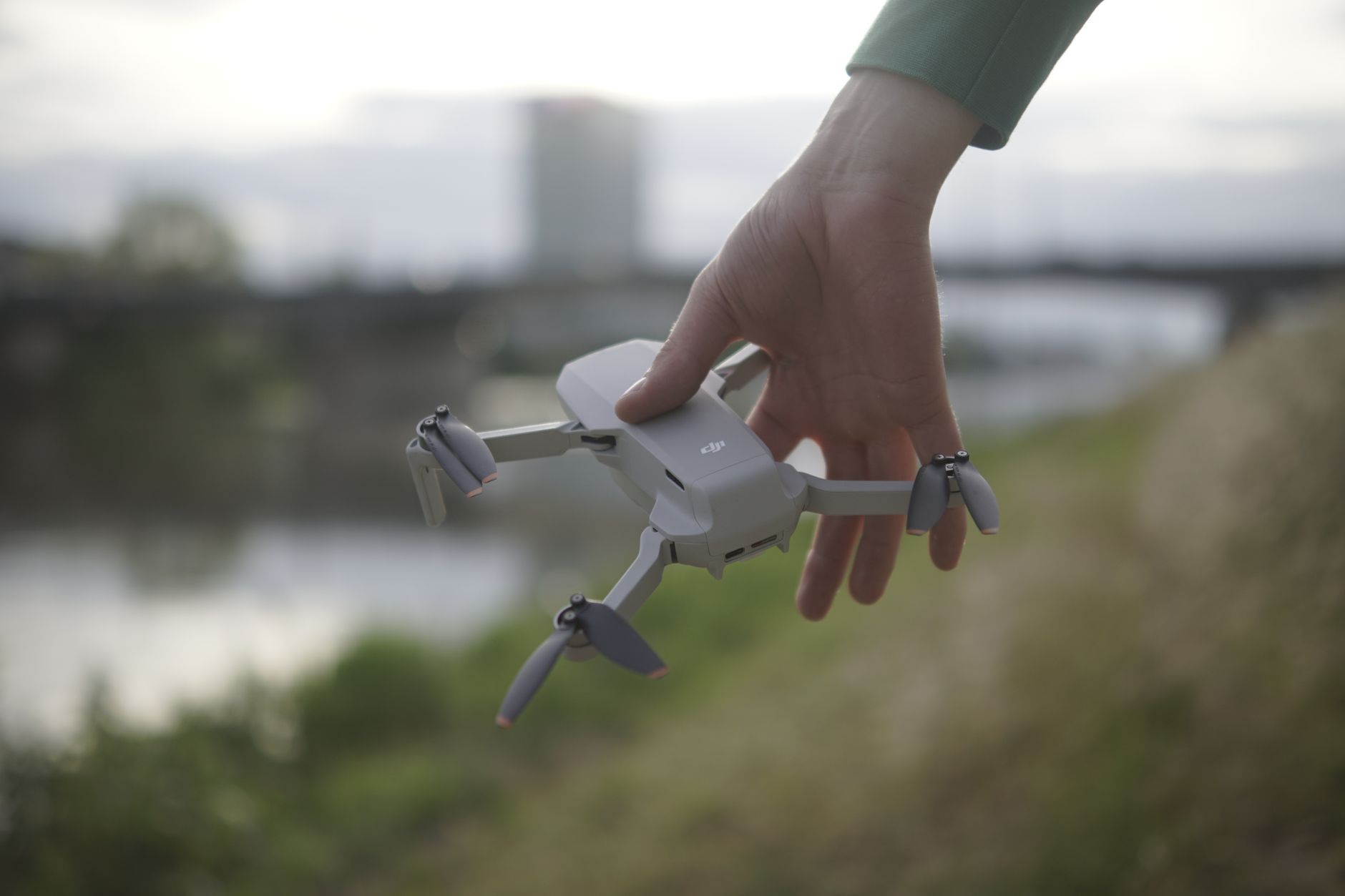
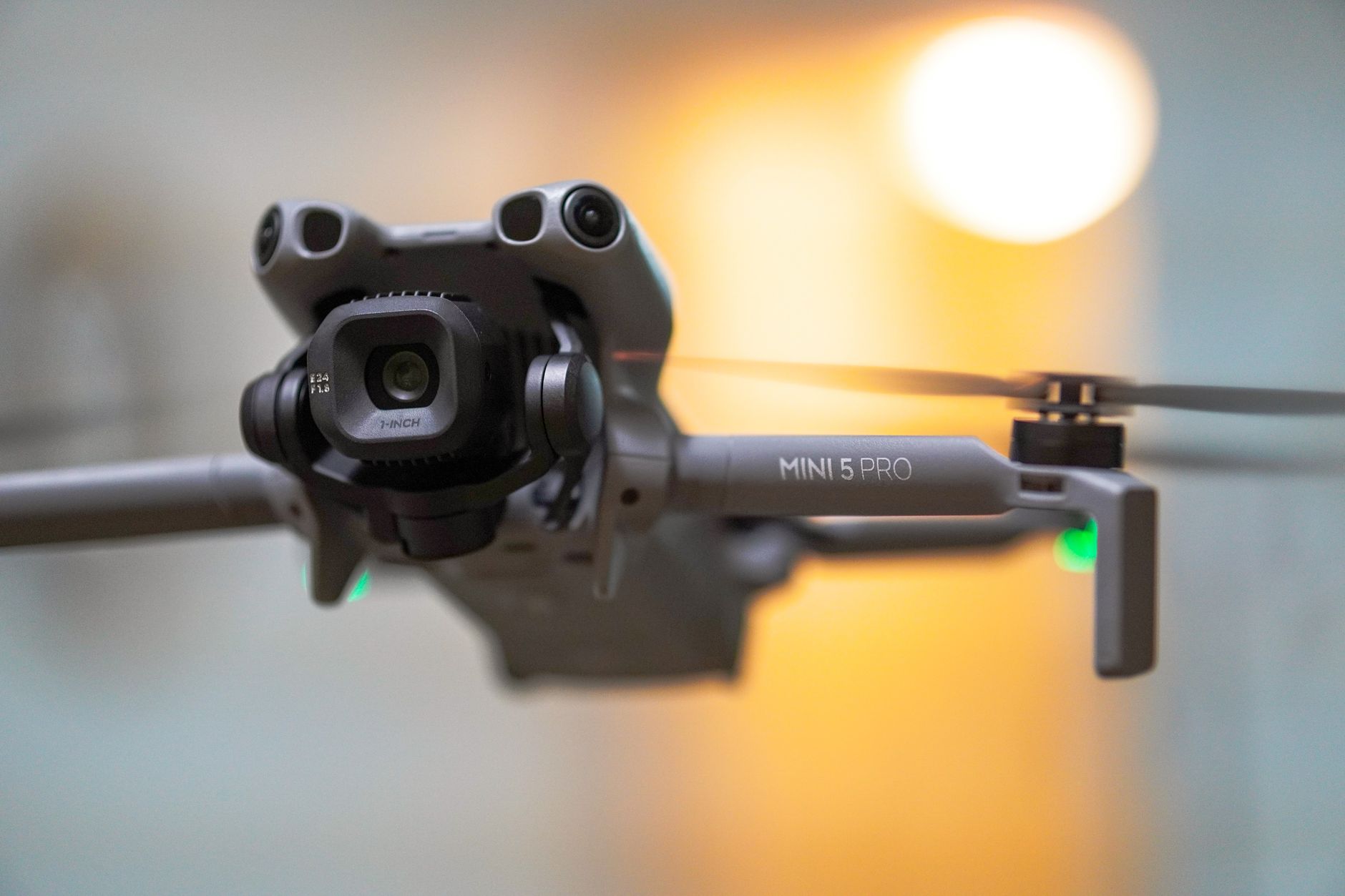
For 2026, I focused on accessories that work with current best sellers like the DJI Mini 5 Pro, DJI Air 3S, and Autel Evo Lite. The Mini 5 Pro weighs 249 grams and flies 34 minutes per battery, so a small case and two spare batteries can easily fit in a backpack. I also looked at best DJI drones compared to confirm accessory compatibility across models. Prices below reflect typical US retail in early 2026, not flash sale drops.
Battery performance has improved, but cold weather and fast charging still degrade cells. A proper care routine matters even for new pilots. ND filters are no longer optional if you shoot video in bright light. A good ND16 filter lets you keep the 180-degree shutter rule at 30fps without overexposing. This guide ranks the five accessory types you should buy first, with honest cons for each.
How Do the Top Options Compare?
| Accessory | Best For | Typical Price | Key Spec |
|---|---|---|---|
| Hard Cases | Travel and storage protection | $50-$120 | IP67, custom foam |
| Extra Batteries | Longer flight sessions | $65-$95 each | 34 min flight time |
| ND Filter Kits | Cinematic video in bright light | $45-$130 | ND4/ND8/ND16/ND32 multi-coated |
| Propeller Sets | Quieter flight and replacements | $15-$25 | Low-noise 4-pack |
| Charging Hubs | Fast parallel battery charging | $55-$85 | 3 batteries in 60 minutes |
Prices are typical US retail in February 2026. Accessory compatibility varies by drone model. Always check your drone’s weight for FAA or Transport Canada registration thresholds.
1. Hard Cases , Best for travel and all-weather storage
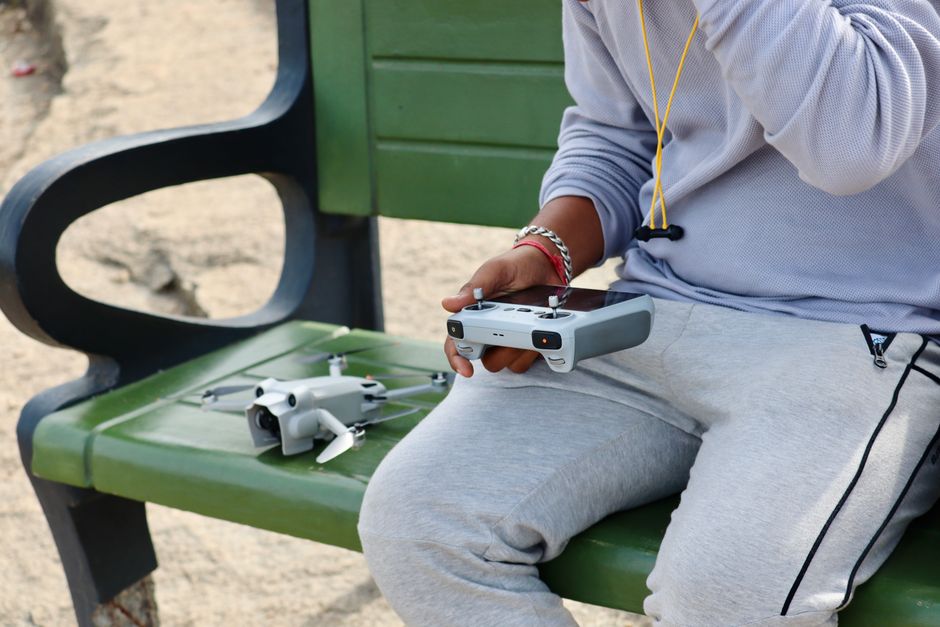
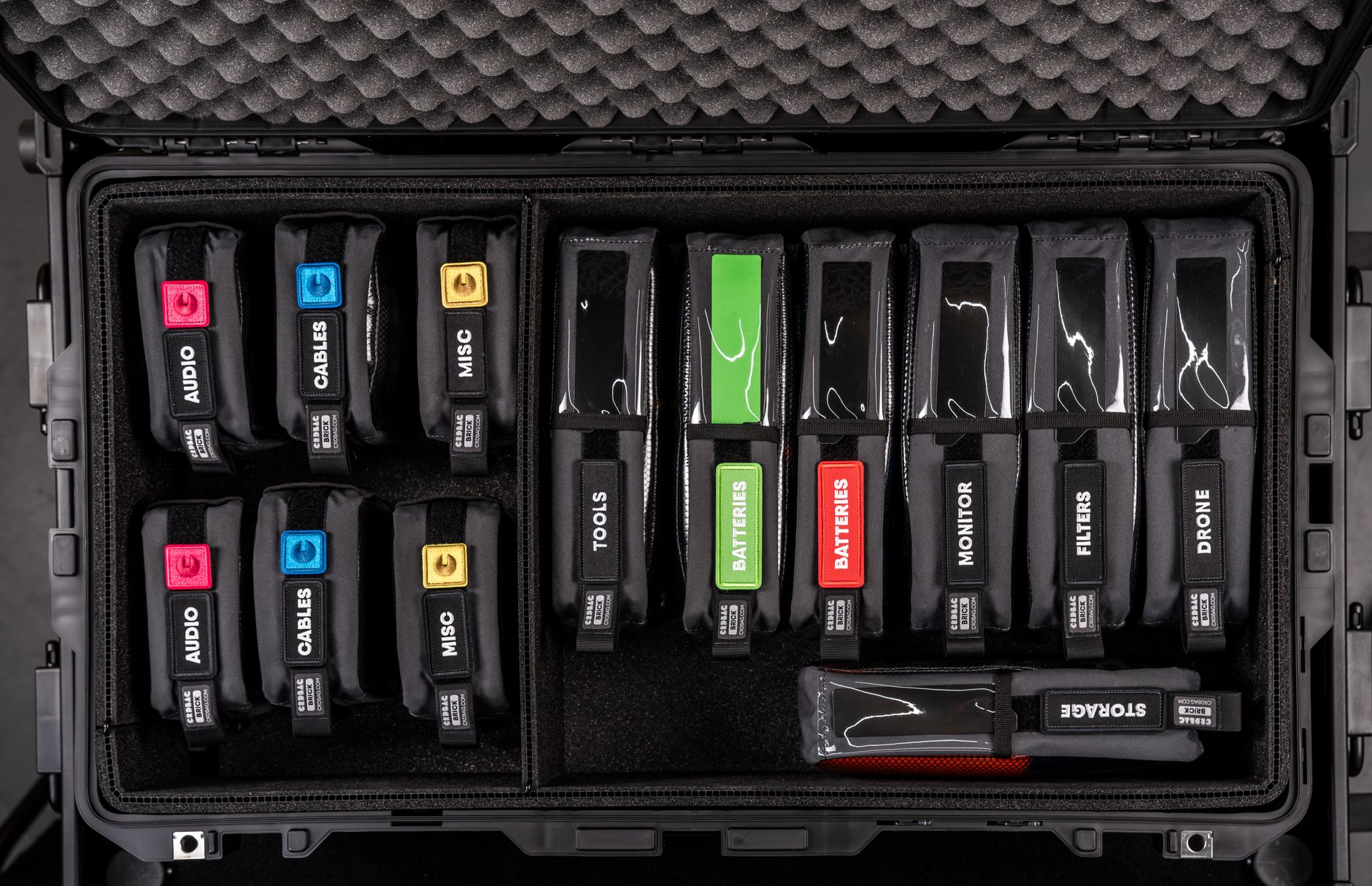
A hard case is the first accessory I recommend after a drone and one battery. The DJI Mini 5 Pro weighs only 249 grams, so it feels almost disposable, but a broken gimbal costs more than a case. A good hard case uses custom foam and a rubber seal. It protects the drone, controller, and spare parts from dust, rain, and airline baggage handlers. Look for an IP67 rating if you fly near water or sand. I have dropped a soft case from a tailgate onto gravel and cracked a controller screen. That does not happen with a rigid shell. For frequent flyers, a case that fits under an airline seat is worth the extra size. Check our best travel drones 2026 guide if you want a drone that packs down even smaller. Prices run from $50 for a generic foam insert to $120 for a waterproof Pelican-style case. Most pilots do not need the expensive option. A $75 case with a pressure valve and latches works fine, and a DJI Mini hard case on Amazon is a solid starting point. The main con is bulk. A hard case can double your carry footprint.
Key strengths:
- ✅ Protects gimbal and controller from dust, water, and impact
- ✅ Custom foam keeps gear from shifting in transit
- ✅ IP67 rated cases handle rain and sand
- ✅ Many fit under airline seats
- ❌ Adds noticeable bulk to your kit
- ❌ High-end waterproof cases cost over $100
- ❌ Foam inserts are cut for one specific drone model
Who it’s for: Pilots who travel, hike, or store gear in harsh conditions should buy a hard case before any other accessory.
2. Extra Batteries , Best for longer flight sessions
A single battery never lasts long enough. The DJI Mini 5 Pro gets 34 minutes per battery in ideal conditions. In wind or cold, that can drop to 22 minutes. I carry three batteries minimum for any real project. Two spare batteries cost about $130 total, but they effectively triple your time in the air. Stick with OEM batteries from DJI or certified alternatives, such as a DJI Mini 5 Pro battery on Amazon. Cheap third-party cells often misreport remaining voltage and can force an emergency landing. I have also seen swollen batteries damage a drone’s frame after only 20 cycles. Read our drone battery care guide to get the most life from your packs. Cold weather is the biggest con. Lithium polymer cells lose capacity below 10 degrees Celsius. Keep batteries inside your jacket before flight. Weight is not a legal issue for the Mini 5 Pro because the drone still stays under 250 grams with a standard battery, but adding a bigger aftermarket pack pushes it over the FAA registration threshold.
Key strengths:
- ✅ Triples your flight time for a modest cost
- ✅ OEM packs deliver reliable voltage reporting
- ✅ Standard batteries keep DJI Mini 5 Pro under 250 grams
- ✅ Easy to swap and carry in a small bag
- ❌ Cold weather reduces capacity significantly
- ❌ Cheap third party cells may cause emergency landings
- ❌ Swollen batteries can damage the drone frame
Who it’s for: Pilots who shoot weddings, real estate, or any project that needs more than 30 minutes in the air should buy at least two spare batteries.
3. ND Filter Kits , Best for cinematic video and bright light

ND filters are the difference between washed-out skies and smooth, cinematic motion. A filter reduces light entering the sensor so you can shoot at 1/60 second for 30fps video. Without one, your camera stops down and you get choppy motion. For still photography, an ND16 filter lets you blur waterfalls or traffic during long exposures. Freewell and PolarPro both make good kits for the DJI Mini 5 Pro, like a set of DJI Mini 4 Pro ND filters on Amazon. A basic three-pack costs about $45, while a premium six-pack with polarizing filters runs $130. Look for multi-coated glass. Cheap resin filters add a color cast that is hard to fix in post. If you shoot real estate or landscapes, read our best drones for aerial photography guide for camera settings that pair well with ND filters. The main con is setup time. Swapping filters in wind is fiddly. Some gimbal designs cannot balance with heavier glass filters. Test your gimbal after installing a filter and before takeoff. A small filter case fits in your drone bag and prevents scratches.
Key strengths:
- ✅ Smooth motion blur at 30fps or 60fps
- ✅ Reduce glare and protect lens from scratches
- ✅ Multi-coated glass preserves color accuracy
- ✅ Small and easy to carry
- ❌ Cheap resin filters introduce color cast
- ❌ Swapping filters in wind is fiddly
- ❌ Heavy glass can strain small gimbals
Who it’s for: Video shooters and photographers who want better skies, smoother motion, or long exposures should buy an ND filter kit early.
4. Propeller Sets , Best for replacements and quieter flight
Propellers are consumable parts, not optional upgrades. A single nick on a blade creates vibration that shows up in your footage as jello. I replace props every 30 to 50 flights depending on how often I land on gravel. A low-noise 4-pack costs between $15 and $25 for most DJI drones. OEM props are always the safest choice. Aftermarket brands sometimes sell stiffer blades that reduce top speed or overload the motors. For new pilots, buying two sets right away makes sense. Crashes happen, and a bent prop should not end a weekend trip. One con is that not all props are cross-compatible. A Mini 5 Pro prop will not fit an Air 3S. Check the part number before ordering. Also, a bent prop can cause motor overheating if you keep flying. Inspect blades before every session.
Key strengths:
- ✅ Inexpensive insurance against crashes and vibration
- ✅ Low-noise designs reduce high-pitched whine
- ✅ Easy to replace in the field with a small screwdriver
- ❌ Aftermarket props may not match motor tuning
- ❌ Damaged blades can overheat motors if ignored
- ❌ Different drone models require different part numbers
Who it’s for: Every pilot should keep a spare set, especially beginners who land in grass, gravel, or tight spaces.
5. Multi-Battery Charging Hubs , Best for fast, safe parallel charging
A charging hub turns a stack of dead batteries into three ready packs in about 60 minutes. It charges batteries sequentially or in parallel and balances each cell correctly. Without a hub, you are stuck rotating one battery on the stock charger and waiting 90 minutes between flights. For the DJI Mini 5 Pro, a three-battery hub costs about $55 to $85. It also doubles as a power bank in some models, which is useful for charging a controller or phone in the field. The hub stops charging when a battery reaches 4.35 volts per cell, which protects the pack from overvoltage damage. The main con is heat. Fast charging warms batteries more than slow charging, and heat degrades lithium cells over time. Do not charge batteries immediately after a flight. Let them cool for 15 minutes. A hub is not a replacement for paying attention to battery care.
Key strengths:
- ✅ Charges three batteries in about 60 minutes
- ✅ Balances cells to prevent overvoltage
- ✅ Some models work as a USB power bank
- ✅ Stops automatically when packs are full
- ❌ Fast charging generates more heat than slow charging
- ❌ Adds $55 to $85 to your kit cost
- ❌ Not all hubs support every battery series
Who it’s for: Pilots who fly more than one battery per session and want to minimize downtime should get a hub.
Frequently Asked Questions
What drone accessory should I buy first?
Buy a hard case or at least a protective bag. If you already have a safe way to carry the drone, buy one extra battery. Most new pilots see the biggest immediate value from more flight time.
Do I need to register my drone if I add a bigger battery?
In the US, registration is based on total takeoff weight, not just the drone body. If your drone plus battery and accessories exceeds 250 grams, register with the FAA. Check the FAA website for current Remote ID requirements.
Are third party batteries safe?
Some are safe, but OEM packs from DJI are the most reliable. Cheap third party cells may misreport voltage and force unexpected landings. If you use them, buy from a brand with real reviews and inspect for swelling before each charge.
What ND filter strength do I need for sunny days?
An ND16 filter works well for 30fps video in bright sun. An ND32 or ND64 helps for snow, sand, or high altitude light. A three pack with ND8, ND16, and ND32 covers most conditions.
How many batteries should I carry for a shoot?
Three batteries total is the sweet spot for most projects. That gives about 90 minutes of real-world flight time after accounting for wind and temperature.
Can I bring drone batteries on a plane?
Yes, with limits. Spare lithium batteries must go in carry-on luggage, not checked bags. Keep terminals covered and follow airline watt-hour limits, usually under 100Wh per battery.
What Should You Remember?
- Start with a hard case: Protect your gimbal and controller before buying any other accessory.
- Carry three batteries: Three packs give roughly 90 minutes of real-world flight time, not just the 34 minute spec.
- Use ND filters for video: An ND16 filter keeps shutter speed near 1/60 second at 30fps in bright light.
- Buy OEM propellers: Cheaper third party props can cause vibration and motor strain.
- Get a charging hub: A three-battery hub cuts downtime from 90 minutes per battery to about 60 minutes for all three.
- Check drone weight: Adding accessories can push you over 250 grams and trigger FAA registration.
This article is for general information only. Drone regulations vary by region and change frequently — always verify current local laws and airspace rules before flying.